
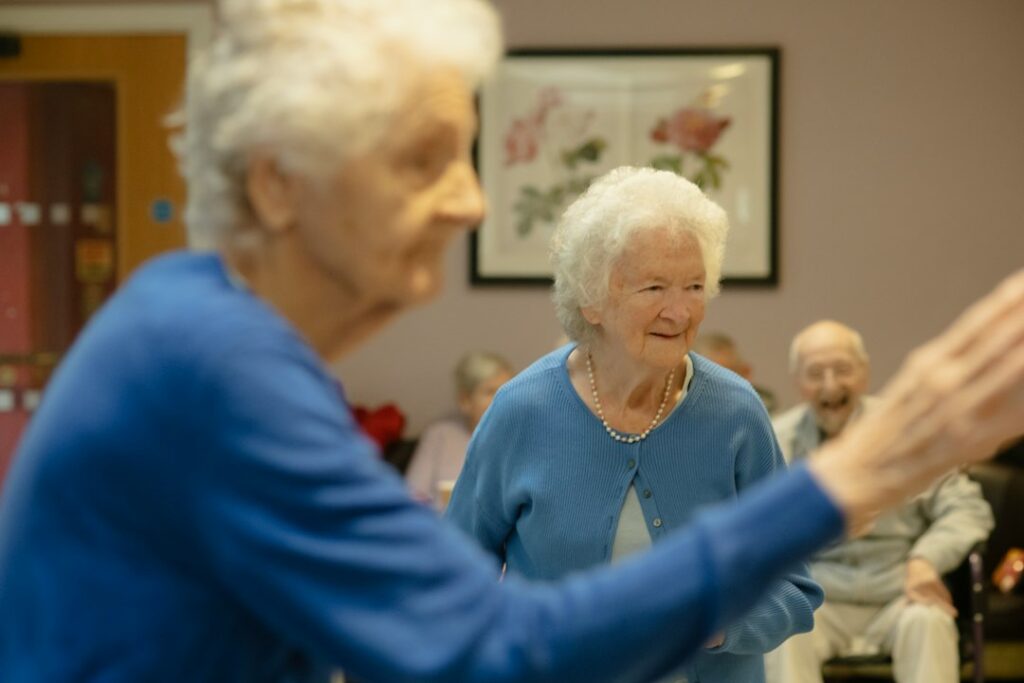
What are integrative therapies in assisted living?
Integrative therapies combine standard assisted living support and medical care with complementary activities that may improve comfort, mood, movement, sleep, social connection, and daily quality of life. They do not replace prescribed treatment. Instead, they may support the whole person alongside regular care.
In an assisted living community, integrative therapy might include:
- Gentle stretching, chair yoga, or balance exercises
- Guided breathing and relaxation
- Music, art, gardening, or reminiscence activities
- Massage or therapeutic touch when appropriate
- Time outdoors and exposure to natural light
- Pet visits or structured interaction with animals
- Meditation, prayer, or other personally meaningful practices
- Nutrition, hydration, and sleep-support routines
The purpose is not to pursue every available therapy. The practical goal is to identify safe, enjoyable activities that fit a resident’s preferences, abilities, health conditions, and daily routine.
How can these therapies help older adults?
Integrative therapies may support several areas of well-being, although results differ from person to person. Gentle movement may help maintain flexibility and confidence with everyday tasks. Music and familiar activities may reduce loneliness or encourage conversation. Relaxation exercises can help some residents manage stress, restlessness, or difficulty settling at night.
These approaches may be especially useful because assisted living involves more than medication and physical care. A resident may also need support with:
- Adjusting to a new living environment
- Maintaining independence
- Coping with grief or major life changes
- Staying socially engaged
- Managing boredom or low motivation
- Preserving familiar routines and personal identity
For example, a resident who no longer feels comfortable walking long distances may still participate in seated movement, hand exercises, singing, or an indoor gardening activity. The benefit may come from physical activity, social contact, a sense of purpose, or all three.
Are integrative therapies safe for residents with medical conditions?
Many integrative activities can be adapted safely, but “natural” does not automatically mean risk-free. Safety depends on a resident’s medical history, medications, mobility, skin condition, cognitive status, allergies, and ability to follow instructions.
Before a new activity begins, the care team should consider whether the resident has conditions such as:
- Osteoporosis or a history of fractures
- Balance problems or a high risk of falling
- Heart or breathing conditions
- Open wounds, fragile skin, or pressure injuries
- Dementia-related agitation or sensory sensitivity
- Diabetes or dietary restrictions
- Medication effects that cause dizziness or drowsiness
A chair-based activity may be more appropriate than floor exercises for someone with limited mobility. A short music session may be preferable to a crowded group for a resident who becomes overwhelmed by noise. Massage may not be suitable over certain areas of the body or for people with particular medical concerns.
Prescribed medications should not be stopped or changed because of an integrative therapy. Supplements and herbal products also require caution because they can interact with medications or affect blood pressure, blood sugar, bleeding risk, or alertness.
Which therapies are commonly used in assisted living?
There is no single standard program. Communities may offer different activities depending on staffing, space, resident interests, and available training.
Movement and body-based activities
Chair exercises, stretching, tai chi-style movements, and balance practice can help residents stay active without requiring strenuous workouts. Activities should use clear instructions, stable seating, adequate lighting, and enough space for walkers or other mobility equipment.
Movement sessions are most helpful when they are consistent and realistic. A few minutes of safe activity may be more useful than an ambitious routine that causes pain or discouragement.
Music and creative expression
Singing, listening to familiar songs, playing simple instruments, drawing, painting, crafts, and storytelling can encourage emotional expression and social participation. Music may be particularly meaningful for residents who have difficulty communicating through conversation.

Creative activities do not need to produce a finished project. Choosing colors, holding an instrument, tapping along to a rhythm, or discussing a familiar song can all provide engagement.
Mindfulness, breathing, and spiritual practices
Slow breathing, quiet reflection, prayer, guided imagery, and meditation may help some residents feel calmer. These practices should be offered respectfully and never presented as a requirement.
A resident who does not enjoy formal meditation may respond better to a quiet cup of tea, a few minutes near a sunny window, or listening to calming music. Personal beliefs and cultural traditions should guide the approach.
Nature, gardening, and sensory activities
Plants, raised garden beds, seasonal decorations, birdwatching, and outdoor sitting can provide sensory stimulation and a connection to familiar routines. In Frackville, seasonal weather may affect access to outdoor spaces, so indoor plants, window boxes, nature recordings, or supervised indoor gardening can help maintain these activities during colder months.
Outdoor participation should account for temperature, ice, heat, air quality, sun exposure, and safe walking surfaces. Residents may need layers, water, shade, or assistance moving between indoor and outdoor areas.
Animal-assisted activities
Structured visits with calm, trained animals may provide comfort and encourage conversation or movement. However, allergies, fear of animals, infection-control concerns, and the animal’s behavior must be considered. Participation should always be voluntary.
Can integrative therapies help with dementia?
They may support comfort, communication, and engagement, but they do not cure dementia or stop its progression. Familiar music, simple art activities, hand massage when appropriate, sensory objects, and reminiscence conversations may help some residents feel more secure.
Activities usually work best when they are brief, predictable, and matched to the person’s abilities. Instructions should be simple, and the resident should not be corrected unnecessarily if a task is completed differently than expected.
A resident with dementia may benefit from folding towels, sorting large objects by color, looking through family photographs, watering plants, or listening to music from an earlier period of life. The activity should focus on participation rather than accuracy.
How should families evaluate an integrative therapy program?
Families can ask practical questions about how activities are selected and monitored:
- Is participation voluntary?
- Are activities adapted for residents with mobility or cognitive limitations?
- Who leads the activity, and what training do they have?
- How are allergies, fall risks, and medical restrictions addressed?
- Are residents asked what they enjoy?
- What happens if an activity causes pain, distress, dizziness, or fatigue?
- Are family traditions, cultural preferences, and spiritual beliefs respected?
- Are supplements or special diets being suggested without medical review?
A useful program should allow residents to decline, pause, or change activities. It should also recognize that preferences can change from day to day. A person who enjoys group singing one week may need quiet time the next.
What should residents expect from a balanced approach?
Integrative therapies should complement ordinary care, not distract from it. Residents should still receive appropriate assistance with medications, nutrition, personal care, mobility, medical appointments, and changes in health.
The most effective approach is usually individualized. One resident may value a morning walk, another may prefer music after dinner, and someone else may benefit most from quiet conversation or familiar household tasks. Success can mean improved mood, greater participation, better comfort, or simply a more satisfying daily routine.
For older adults and families in the local community, the central question is not whether a therapy sounds fashionable. It is whether the activity is safe, respectful, meaningful, and suited to the resident’s actual needs.
