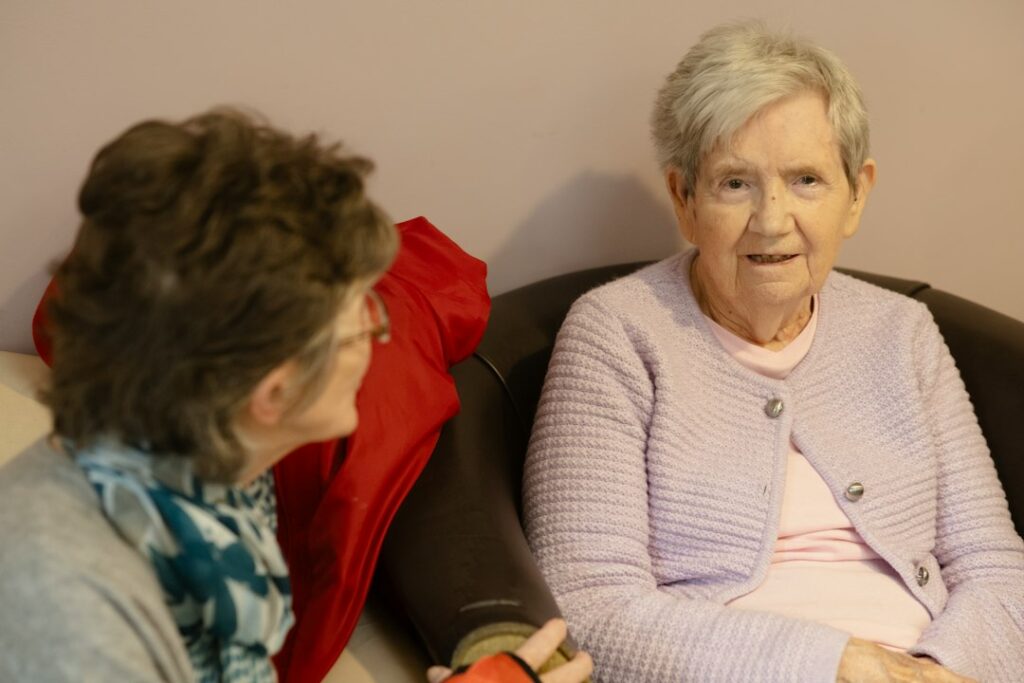
What does mental health include in assisted living?
Mental health in assisted living includes emotional well-being, social connection, coping with change, sleep, memory, behavior, and the ability to participate in daily life. It is not limited to diagnosed conditions such as depression, anxiety, or dementia.
For older adults, mental health can change after a move, loss of a spouse, declining mobility, a new medical diagnosis, or reduced contact with familiar people. Assisted living may provide helpful structure and companionship, but the transition can also bring grief, uncertainty, or a feeling of losing independence.
In Frackville, PA, seasonal conditions may affect routines. Cold weather, snow, shorter daylight hours, and transportation limitations can make it harder for residents to leave the building or maintain regular social contact. A thoughtful mental health plan accounts for both the resident’s personal history and the practical realities of daily life.
Is depression a normal part of aging?
No. Depression is not a normal or unavoidable part of getting older, although life changes and health problems can increase the risk.
Depression in later life does not always look like sadness. A resident may instead show:
- Loss of interest in favorite activities
- Irritability, frustration, or unusual anger
- Fatigue or spending much of the day in bed
- Changes in appetite or weight
- Poor sleep or sleeping excessively
- Trouble concentrating or making decisions
- Feelings of guilt, worthlessness, or hopelessness
- Repeated physical complaints without a clear explanation
- Withdrawal from meals, conversations, or group activities
A sudden change should not automatically be labeled depression. Pain, infection, medication side effects, dehydration, poor sleep, hearing loss, vision problems, and other medical issues can affect mood and behavior. A medical evaluation is appropriate when changes persist, interfere with daily life, or appear suddenly.
How can assisted living support emotional well-being?
Assisted living can support mental health through predictable routines, regular human contact, help with daily activities, and opportunities for meaningful choice. These supports are most effective when they are tailored to the individual rather than treated as a standard activity schedule.
Helpful practices may include:
- Offering choices about meals, clothing, activities, and daily routines
- Keeping familiar belongings, photographs, music, and personal traditions nearby
- Encouraging participation without forcing group activities
- Providing quiet areas for residents who become overstimulated
- Supporting safe movement, outdoor time, and exposure to natural daylight
- Maintaining regular contact with family and trusted friends
- Noticing changes in appetite, sleep, communication, and social behavior
- Including residents in conversations about their own care
A resident who does not enjoy large activities may respond better to a smaller conversation, folding laundry, gardening, listening to music, looking through photographs, or helping with a familiar task. Meaningful activity is usually more valuable than simply keeping someone busy.
What is the difference between loneliness and depression?
Loneliness is the painful feeling of lacking meaningful connection. Depression is a medical condition involving persistent changes in mood, interest, thinking, sleep, appetite, energy, or functioning. The two can occur together, but they are not the same.
Someone may feel lonely while still enjoying hobbies and responding positively to contact. A person with depression may lose interest in activities even when supportive people are present.
Residents can be socially surrounded and still feel lonely if conversations are superficial, relationships feel unfamiliar, or communication is difficult because of hearing or memory problems. Staff and family members should ask specific questions rather than assuming that attendance at activities means a resident feels connected.
Questions such as these can be useful:
- “Who do you most enjoy talking with?”
- “What part of the day feels hardest?”
- “Is there an activity you miss?”
- “Do you feel comfortable asking for help?”
- “Would you rather spend time one-to-one or in a group?”

How should families recognize anxiety or adjustment difficulties?
Moving into assisted living can create anxiety even when the move is necessary and the setting is safe. A resident may worry about unfamiliar people, personal privacy, finances, health, nighttime safety, or being unable to return home.
Signs of anxiety may include repeated reassurance-seeking, restlessness, rapid breathing, excessive worry, refusal to leave the room, irritability, or frequent calls to family. Adjustment difficulties may be strongest during the first weeks or after a major change in routine.
Family members can help by keeping visits and calls predictable, using calm explanations, avoiding arguments over minor details, and bringing familiar items. It is often more reassuring to acknowledge the feeling—“This is a big change, and it makes sense that you feel unsettled”—than to insist that the resident should be grateful or immediately comfortable.
If anxiety continues, worsens, or prevents eating, sleeping, medication use, or participation in basic care, it should be discussed with the resident’s medical team.
How do dementia and mental health overlap?
Dementia can affect memory, judgment, communication, mood, and behavior. Depression can also cause poor concentration, withdrawal, and apparent memory problems. Because the symptoms overlap, a new or worsening change deserves assessment rather than a quick assumption that it is “just dementia.”
Sudden confusion, agitation, unusual sleepiness, hallucinations, or a rapid change in behavior may signal delirium. Delirium can be related to infection, medication changes, pain, constipation, dehydration, or another urgent medical problem.
For residents with cognitive impairment, effective support often includes consistent routines, simple explanations, familiar staff when possible, reduced noise, safe walking opportunities, and activities matched to the person’s abilities. Correction and confrontation may increase distress. Calm redirection and reassurance are generally more useful.
Pennsylvania assisted living requirements address assessment, support planning, cognitive support, staff training, and access to community social services. Families should ask how a residence responds to behavioral changes, coordinates medical care, documents preferences, and updates the support plan as needs change.
What questions should families ask about mental health support?
Before or after a move, practical questions can reveal how well a residence handles emotional and behavioral needs:
- How are changes in mood, sleep, appetite, or behavior documented?
- Who contacts the family when a significant change occurs?
- How are therapy, psychiatric care, or primary medical visits coordinated?
- What happens if a resident refuses meals, medication, bathing, or activities?
- Are activities available for people who prefer quiet or one-to-one interaction?
- How are residents supported during winter weather or extended periods indoors?
- What dementia-specific or cognitive support is available?
- How are emergency mental health concerns handled?
- How often are assessments and support plans reviewed?
The answers should describe specific procedures rather than general assurances.
When is immediate help needed?
Urgent help is needed if a resident talks about suicide, self-harm, harming another person, severe hopelessness, or feeling unable to stay safe. Do not leave the person alone during an immediate danger situation. Call 911 for an active emergency. For emotional distress or suicidal thoughts, call or text 988 to reach the Suicide & Crisis Lifeline, available day and night.
A mental health crisis may also appear as extreme agitation, sudden confusion, wandering into danger, refusal of essential medication, or behavior that cannot be safely managed. Staff and family should follow the residence’s emergency procedures and seek timely medical guidance.
Mental health support in assisted living is strongest when emotional changes are noticed early, physical causes are considered, personal preferences are respected, and residents remain involved in decisions about their daily lives.